
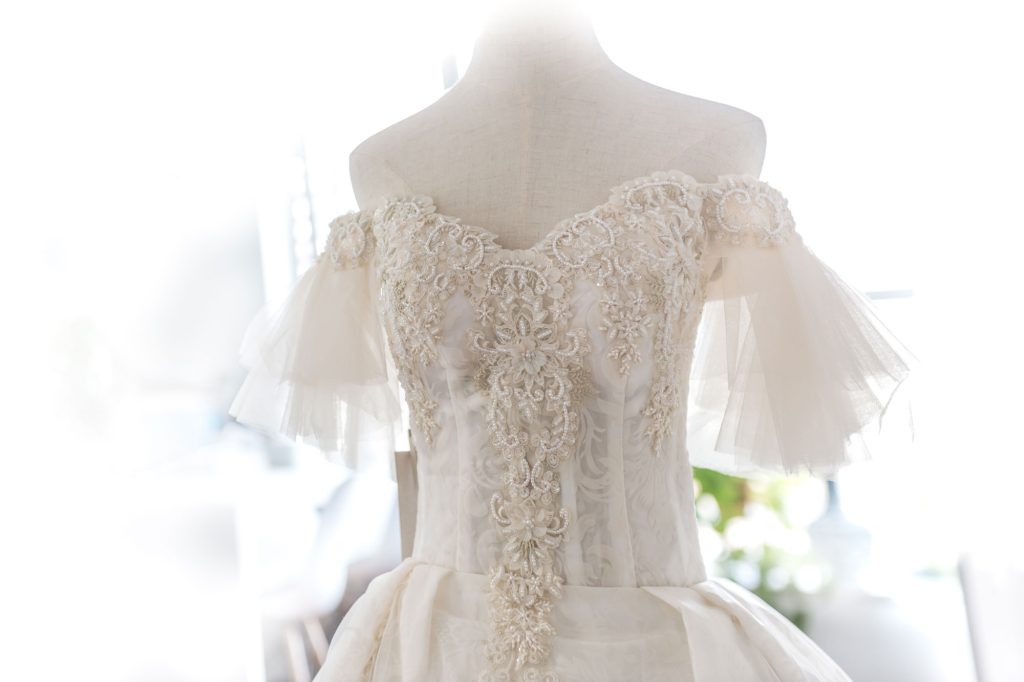
Sustainable Ideas for Recycling Your Wedding Dress
For many brides, the wedding dress is one of the most treasured garments they’ll ever wear — a symbol of love, hope, and a day filled with unforgettable memories. But in a world increasingly focused on sustainability, many couples are now asking a new question: “How can we reduce waste and make our wedding more eco‑friendly?” One powerful answer lies in recycling your wedding dress, turning something beautiful once into something beautiful again.
Whether you’re planning an ultra‑green celebration or just want to give your dress a second life, there are lots of meaningful ways to recycle or repurpose it. From thoughtful donations and keepsakes to creative upcycles and pre‑loved dress rentals, recycling your gown adds heart, purpose, and sustainability to your big day.
Why Recycling Your Wedding Dress Matters
Before we dive into the “how‑tos,” it’s worth understanding why recycling your wedding dress is such a positive choice:
- Environmental Impact – Traditional wedding dresses often contain synthetic fabrics, beads, sequins, and other non‑biodegradable elements. Recycling the dress means diverting it from landfills.
- Resource Conservation – Producing textiles consumes water, energy, and raw materials. Extending the life of a dress reduces demand for brand‑new garments.
- Spreading Joy – A wedding gown that’s reused, upcycled, or shared brings happiness to others — whether it’s to a bride who couldn’t otherwise afford one or a family cherishing heirloom‑style keepsakes.
Recycling doesn’t have to be complicated; it can be personalized to your values, creative in execution, and meaningful long after the wedding confetti has settled.
1. Careful Cleaning Before You Recycle
No matter which recycling route you take, the first step is always proper cleaning. Wedding dresses often endure stains from wine, makeup, grass, perspiration, and more — and if left untreated, these blemishes can become permanent, yellow with age.
This is where professional expertise matters. Entrusting your gown to seasoned wedding dress cleaners ensures that delicate fabrics like silk, lace, and tulle are treated with care.
Dulais Wedding Dress Cleaning specialises in professional cleaning and restoration of wedding dresses. With meticulous attention to detail, they remove unseen stains and protect fragile embellishments, preparing your gown for its next chapter. Their experienced team understands the chemistry and craftsmanship of bridal gowns — something that at‑home cleaning solutions simply cannot match.
Getting your dress professionally cleaned first not only preserves its beauty but also maximises its future potential — whether it’s to be resold, donated, rented out, or turned into heirlooms.
2. Donate to a Charitable Organisation
One of the most impactful ways to recycle your dress is to donate it to charity. Many non‑profits accept wedding gowns to give to brides who may not otherwise be able to afford one.
Organisations like Brides Against Breast Cancer, Wedding Gowns for Good, and local shelters often collect gently worn gowns to distribute at low or no cost. Your dress could uplift someone who thought they’d never get the wedding they dreamed of.
Before donating, check the charity’s specific guidelines — some organisations have criteria around dress condition, age, or style. Thanks to the thorough cleaning from professionals like Dulais Wedding Dress Cleaning, your gown will be in the best possible state to make an impact.
3. Sell or Rent Your Gown
If you’d prefer to recycle your dress back into the wedding market, selling or renting it is an excellent option. Many brides look for pre‑loved gowns for budget‑friendly or sustainable choices, and the vintage trend means older dresses are often in demand.
Here are a few smart approaches:
- Online Marketplaces – Platforms like Stillwhite, PreOwnedWeddingDresses.com, and even social media bridal groups provide a way to sell directly to buyers.
- Wedding Dress Rental Services – Some brides choose to rent out their dress for a fee. This can be a passive way to earn money while giving another bride access to your gown.
- Local Bridal Shops – Some boutiques accept consignment dresses and will handle the sales process for you.
No matter which route you choose, having your dress professionally cleaned and restored boosts buyer confidence and helps you command a better price.
4. Upcycle It Into Something New
Recycling doesn’t always mean passing a dress on to another bride — sometimes, it means transforming it into something entirely new. Creative upcycling turns sentimental fabric into keepsakes and functional items that can be cherished for years.
Here are inspiring ideas:
- Heirloom Keepsakes: Turn sections of lace or fabric into handkerchiefs, bridal garters, christening gowns, or quilt squares.
- Home Décor: Transform fabric into pillow covers, table runners, Christmas tree ornaments, or framed textile art.
- Accessories: Create headbands, bows, fabric flowers, and jewellery from pieces of your gown.
These projects can be done by local artisans, tailors, or even crafty friends and family. Starting from a professionally cleaned dress makes every result look more beautiful and last longer.
5. Host a Wedding Gown Swap
Want a fun community‑driven way to recycle wedding attire? Consider hosting a wedding gown swap. Invite friends, local brides, or bridal communities to bring dresses they no longer need and exchange them for one they love.
A gown swap can be paired with treats, refreshments, and mini styling consultations. It’s not only eco‑friendly but also social and celebratory — perfect for bridal parties or local bride groups.
Again, ensuring each gown is fresh, clean, and ready to try on makes the swap experience far more enjoyable for everyone involved.
6. Preserve It As an Heirloom
For some brides, the dress carries such emotional weight that letting it go simply isn’t an option. Instead, consider professional preservation.
Preservation goes beyond cleaning — it involves stabilising the fabric, protecting colours, and storing the dress in archival materials that slow aging and prevent yellowing. Many bridal cleaners offer this service, and investing in it before storing the dress ensures future generations can admire it.
Even if you don’t plan to pass the dress down immediately, preservation allows you to keep your gown in pristine condition until you’re ready for its next chapter — be that more recycling or cherished display.
7. Share Your Story and Inspire Others
Part of what makes recycling so beautiful is the story behind it — the memories, emotions, and intentions woven into every stitch. Sharing how you recycled your wedding dress can inspire other brides to make sustainable choices.
Consider posting on wedding forums, social media, or bridal blogs about your experience. Highlight why recycling mattered to you, how you worked with professional cleaners like Dulais Wedding Dress Cleaning, and where your dress is headed next.
Your journey could encourage someone to think differently about their own dress — turning sustainability into a shared celebration rather than a solo decision.
Sustainability Begins With Intention
Recycling a wedding dress is about more than just finding a new purpose for fabric — it’s about honouring memories while respecting the planet. Whether your dress becomes someone else’s dream gown, a treasured keepsake, or something wonderfully new, the choices you make reflect your values and creativity.
With thoughtful cleaning, intentional planning, and a willingness to explore imaginative options, your wedding dress can continue spreading joy long after your walk down the aisle. And with the help of professional wedding dress cleaners like Dulais Wedding Dress Cleaning, you give your gown the best start toward its next beautiful life.