
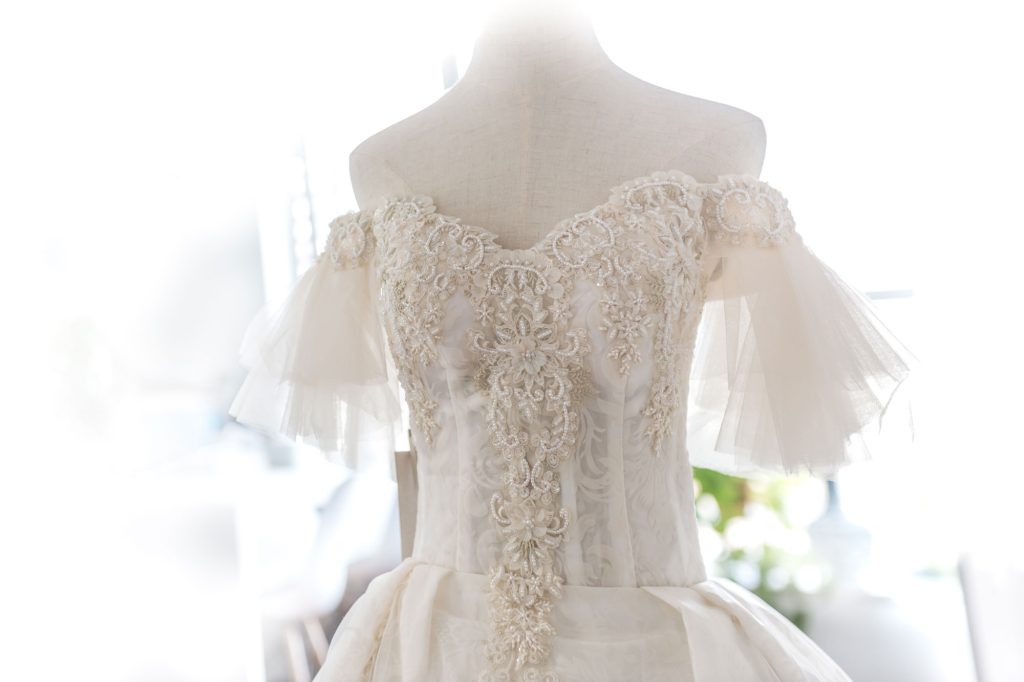
From Cleaning to Preservation Vintage Wedding Gowns
Vintage wedding gowns, typically defined as dresses over 20 years old, carry a timeless charm and historical significance. From Edwardian cotton lawn gowns to 1980s puff-sleeved satin dresses, each gown reflects the craftsmanship, fabrics, and design trends of its era, offering a tangible connection to the past.
Why Vintage Wedding Dresses Are So Popular
Vintage gowns attract brides for their unique elegance, romantic history, and meticulous craftsmanship. Unlike mass-produced contemporary dresses, vintage gowns often feature hand-stitched details, luxurious fabrics, and distinctive silhouettes.
Choosing a vintage wedding dress is also eco-friendly. Reusing and preserving these garments reduces the demand for new materials and lowers the environmental impact of manufacturing processes.
Challenges in Restoring Vintage Gowns
Restoring a vintage wedding gown is both an art and a science. Common issues include:
- Discoloration and Stains: Fabrics may yellow or develop stains over time due to light, air, moisture, or prior storage.
- Tears and Structural Damage: Fragile textiles can fray, tear, or weaken, requiring precise repairs.
- Delicate Fabrics and Embellishments: Lace, beads, and embroidery demand careful handling to prevent further damage.
Each gown presents a unique set of challenges, making professional assessment and restoration crucial for preserving beauty and longevity.
Assessing a Vintage Wedding Gown
Identifying Common Issues
Look for yellowing, browning, stains from spills or perspiration, tears, holes, and structural problems like weakened seams, boning, or embellishments.
Evaluating Fabric and Construction
Check delicate fabrics—silk, lace, tulle—for integrity. Inspect stitching, seams, and embellishments to determine original craftsmanship and identify areas needing reinforcement.
Determining Restoration Needs
Prioritize repairs: address structural issues first, then tackle stains and discoloration. A thorough assessment guides a tailored restoration plan to preserve the gown’s historical value.
Cleaning Vintage Wedding Gowns
Why Proper Cleaning Matters
Careful cleaning of your vintage gown is essential to protect delicate fabrics and historical details. Improper methods can cause irreversible damage.
Dry vs. Wet Cleaning
- Dry Cleaning: Uses chemical solvents to gently remove dirt without immersing the fabric in water. Ideal for delicate materials and embellished gowns.
- Wet Cleaning: Employs cold water and mild detergents for heavily soiled dresses, but requires professional expertise to avoid shrinkage or color bleeding.
Special Care for Delicate Fabrics and Embellishments
- Delicate Fabrics: Handle lace, silk, and tulle gently; avoid abrasive actions.
- Embellishments: Protect beads, sequins, and embroidery with netting or spot-cleaning methods.
Addressing Discoloration and Stains
Common Causes
- UV light exposure
- Oxidation from air or improper storage
- Sweat, oils, perfume residues
- Chemical residues from previous cleaning
Stain Removal Techniques
- Surface Dirt: Soft brush or low-suction vacuum
- Oil-Based Stains: Dab with a solvent-based cleaner
- Water-Based Stains: Blot with distilled water and mild detergent
- Protein-Based Stains: Use enzymatic cleaners
Restoring Color and Brightness
Mild bleaching or oxygen-based treatments revive original shades. Special baths can reinvigorate aged fibers while preserving fabric integrity.
Repairing Tears and Holes
Assessing Damage
Check size, location, and fabric strength. Identify associated damage like missing beads or frayed edges.
Repair Techniques
- Hand Stitching: For minor tears, blending stitches into the fabric
- Invisible Mending: Reweaving fibers for severe tears
- Patch Reinforcement: Using matching fabric for larger holes
Matching Fabric and Thread
- Select substitutes that match texture and weight
- Choose fine threads in colors that blend naturally
Fixing Structural Damage
Reinforcing Seams and Closures
Strengthen weakened seams with hand stitching, and ensure hooks, eyes, and loops are secure. Double-threaded backstitch is recommended for durability.
Rebuilding Boning and Supports
Replace or reconstruct damaged boning using historically accurate or compatible materials, encased in fabric channels to protect delicate fabrics.
Fastenings
Inspect zippers, buttons, and clasps. Replace worn or rusted elements with period-appropriate or matching modern alternatives while maintaining aesthetic integrity.
Preserving Restored Gowns
Proper Storage
- Store in a cool, dry, dark place
- Use acid-free tissue paper and boxes
- Padded hangers wrapped in muslin can support hanging gowns
Environmental Controls
- Stable temperature: ~65°F (18°C)
- Relative humidity: ~50%
- Use silica gel to control moisture and ensure airflow
Regular Maintenance
- Inspect every six months for damage or pests
- Rotate the gown and refresh tissue paper
- Address issues promptly with professional intervention
Bringing New Life to Vintage Gowns
Restoration is about more than aesthetics—it preserves history. Key steps include:
- Condition assessment and identifying damage
- Tailored cleaning for fabrics and embellishments
- Expert repairs for tears, holes, and structural damage
- Proper storage and environmental controls
Professional expertise ensures delicate fabrics, intricate embellishments, and historical integrity are maintained. By reviving these gowns, we celebrate the timeless beauty, craftsmanship, and stories they carry, keeping them cherished for generations to come.